
 EN
EN
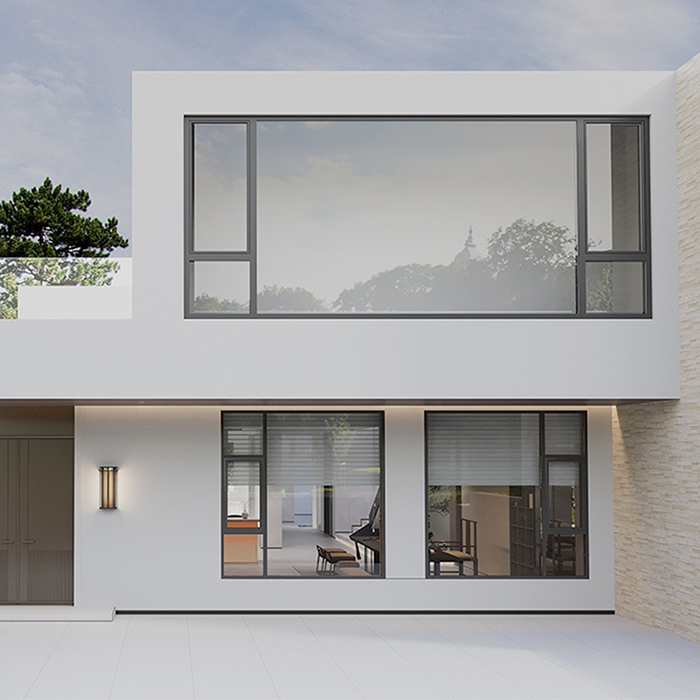
Why Choose a Custom Window and Door System?
Standard window and door options usually mean making some kind of compromise when it comes to architecture. Custom systems fit exactly where they need to go in those unusual spaces, so there's no weird gaps or having to change the structure of the building itself. The accuracy here really makes a difference too. We're talking about around 40% less air leaking through these custom installs versus regular ones according to ENERGY STAR data from 2024, which translates into real money saved on heating and cooling costs. What's great is that homeowners get to pick all sorts of specific details they want. Want triple panes filled with argon gas? No problem. Need something that can withstand hurricanes? That's available too. Looking for sleek designs with minimal frames? Or maybe curved shapes for bay windows? Even historical styles with those old fashioned divided light patterns are possible if that's what someone prefers.
Beyond functionality, custom systems unlock creative freedom. Designers specify hardware finishes, wood species, and specialty glazing—including low-E coatings that block 75% of UV radiation while maintaining visible light transmission. This tailored approach prevents the “retrofit frustration” of modifying existing structures to accommodate mass-produced units.
Durability and efficiency create lasting value over time. The joints and materials used in custom engineering can last for decades even after repeated exposure to temperature changes and harsh weather conditions. Standard commercial grade seals keep performing reliably while cheaper alternatives tend to break down somewhere between 5 to 7 years. Homeowners know this well since replacing windows often lands right at number three when it comes to return on investment projects. Custom made systems pay off big time not just because they save money on energy bills but also because potential buyers love them. Architects working on tricky spaces find these solutions invaluable. Whether dealing with high vaulted ceilings, awkwardly angled walls, or wanting to showcase stunning views, custom windows turn what would be problems into standout design features that make properties stand out from the crowd.
Pre-Installation Planning for Custom Window and Door System Success
Precision measurement and templating to ensure optimal fit and performance
Getting accurate measurements right is really what makes or breaks most installations. According to some industry research from Building Performance Journal in 2023, around 60% of problems with windows and doors come down to simple measurement mistakes. Skilled installers nowadays rely on laser templates and digital records to get those exact numbers across different points. They check not just height and width but also how far the floor is from the header and whether walls are consistently thick throughout. When done properly, this attention to detail keeps those annoying gaps under control, staying within that critical 1/8 inch margin. And why does this matter? Because even small gaps let in drafts and can actually weaken the whole structure over time.
Assessing structural integrity: framing, load-bearing capacity, and moisture management
Before installation, evaluate three critical elements:
- Framing condition: Check for rot, insect damage, or warping using moisture meters and structural probes. Over 40% of retrofit projects require reinforcement (NAHB 2023).
- Load capacity: Verify header adequacy for larger units—especially with energy-efficient triple-pane glass, which adds 25–30% more weight.
- Water management: Test drainage planes and flashing integration, as improper moisture control causes 80% of premature failures.
| Assessment Focus | Tools Used | Industry Standard |
|---|---|---|
| Frame Integrity | Moisture meter, boroscope | ≤15% wood moisture content |
| Load Capacity | Structural calc software | Header support ≥2x unit weight |
| Weatherproofing | Water testing kit | 0 leaks after 15-min simulation |
This comprehensive evaluation prevents costly callbacks and ensures your custom window and door system achieves its rated performance lifespan.
Professional-Grade Installation of Your Custom Window and Door System
Removal of existing units and substrate preparation (interior and exterior)
Getting started on proper installation means taking out the old stuff right. Contractors remove existing windows and doors with care so they don't mess up the walls around them. Once those old units come out, they check what's left behind inside and outside for problems. Look for signs of trouble like rotting wood or weak spots in the frame. When they find damaged areas, fixes happen fast: replace broken studs, shore up parts that hold weight, and slap on sealant wherever water might sneak in later. For the outside, waterproof flashing goes over everything, and inside walls need to be flat enough so nothing sticks out more than about an eighth of an inch. All this groundwork stops drafts from forming down the road and keeps the whole structure standing strong through seasons and weather changes.
Critical installation steps: placement, leveling, shimming, air sealing, and weatherstripping
Getting things placed right from the start makes all the difference down the road. When installing units, pros use laser levels to make sure everything lines up exactly as shown on those blueprints. Next comes the shimming process where they insert composite wedges every 12 inches across gaps. Then comes the application of low expansion polyurethane foam around window frames to stop any drafts sneaking through. Compression grade weather stripping gets installed along both the sash and where the window meets the frame. Quality control is pretty strict throughout. Good shimming keeps frames from warping over time, and when we seal those air leaks properly, studies show energy bills can drop around 30%. Last but not least, technicians spend extra time calibrating those multi point locks so they operate smoothly without sticking or binding. This attention to detail ensures better insulation against cold drafts and stops water from getting in during heavy rains.
Maximizing Long-Term Performance of Your Custom Window and Door System
Energy efficiency enhancements: low-e coatings, inert gas fills, glazing options, and installation quality linkage
Energy saving tech works wonders but needs proper setup to actually deliver results. Those Low-E coatings on windows cut down infrared heat loss by around half without blocking out natural daylight. When manufacturers fill the space between glass panes with argon or even better krypton gas, insulation gets much better. Triple pane windows filled with these gases often hit U-values under 0.20 according to certifications we've seen. Choosing the right glass isn't just about specs though. For buildings facing south in cold climates, looking for SHGC ratings over 0.40 makes sense because they let in more beneficial winter sunlight. And here's something important nobody talks about enough the actual installation matters a lot. If installers don't seal everything correctly, air leaks can jump by as much as 40%. That kind of waste basically cancels out all those fancy features built into modern window systems.
| Performance Factor | Impact on Efficiency | Long-Term Benefit |
|---|---|---|
| Low-E coatings | Reduces heat transfer by 30–50% | Consistent temperature control |
| Gas-filled glazing | Improves insulation by 10–15% | Lower HVAC operational costs |
| Precision weatherstripping | Prevents 95% of air infiltration | Eliminates drafts and moisture |
Hardware selection, maintenance protocols, and aesthetic customization (colors, grilles, finishes)
Good hardware is what keeps those high performance custom systems running smoothly day after day. Take corrosion resistant stainless steel components for instance these can handle over twenty thousand operation cycles before showing any signs of wear making them essential for installations near saltwater environments or places with harsh weather conditions. Maintenance should happen every six months give or take. Lubricating all the moving pieces with silicone based stuff helps keep things running smooth while checking those seals regularly prevents issues from compression fatigue. Don't forget to clean out the drainage channels too water buildup causes all sorts of problems down the road. When it comes to looks nothing beats the factory applied baked on enamel finish that holds its color for at least fifteen years sometimes longer depending on where it's installed this beats regular paint jobs hands down. And bonus point customizable grille designs along with wood grain laminate options let architects match their vision without sacrificing energy efficiency standards for windows.
Routine cleaning with pH-neutral solutions preserves frame materials, while specialized microfiber tools prevent glass scratching. Homeowners report 25% longer service life when following prescribed maintenance intervals, according to usage logs from leading providers.
FAQ
What are the benefits of using a custom window and door system?
Custom systems provide precise fit, reducing air leakage by around 40%. They also offer creative freedom, allowing selection of specific details like triple panes, hurricane resistance, and sleek designs.
Why is pre-installation planning important for custom window and door systems?
Pre-installation planning ensures precise measurements and assessment of structural integrity to prevent drafts and structural weakness.
What is the role of low-E coatings and inert gas fills in custom window systems?
Low-E coatings reduce heat transfer by 30-50%, while gas fills improve insulation, significantly enhancing energy efficiency.
How can custom window and door systems be maintained for longevity?
Regular maintenance includes lubricating moving parts, inspecting seals, and cleaning with pH-neutral solutions to prevent wear and tear.