
 EN
EN
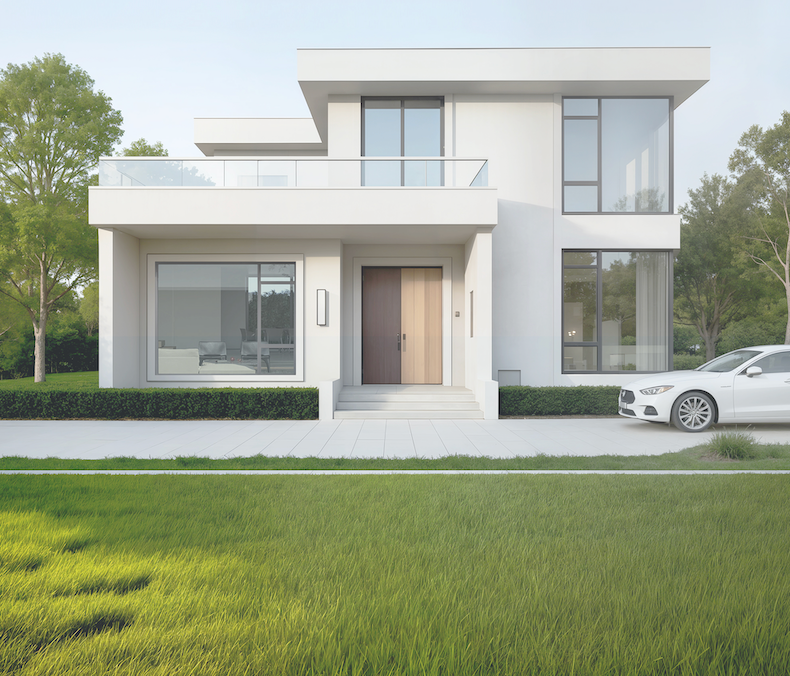
Energy Efficiency: Lower Operational Costs Through High-Performance Fenestration
Low-E Coatings, Triple Glazing, and Thermally Broken Frames Reduce HVAC Load
Better fenestration systems slash operating expenses because they cut down on thermal bridging and manage solar heat gain effectively. Low-E coatings work wonders by bouncing back infrared heat while still letting in plenty of visible light, which keeps spaces comfortable without making air conditioning systems work overtime. Triple glazing packed with gases such as argon or krypton offers far superior insulation compared to regular double pane windows we see everywhere today. Aluminum frames that have been thermally broken include polyamide strips that stop heat from conducting through them, something that was a big problem with older metal window frames. When all these features come together, buildings can expect around a 30 percent reduction in HVAC energy usage each year based on what industry experts are reporting in 2024 studies. For businesses looking at their bottom line, this means quicker returns on investment and turns those once costly windows and doors into valuable contributors to overall energy efficiency.
NFRC-Certified U-Factor and SHGC Metrics Ensure Compliance and Predictable Savings
Real numbers matter when we want to confirm actual energy savings in practice. The National Fenestration Rating Council, or NFRC as they're commonly called, runs independent tests on windows and doors focusing mainly on two key measurements. First there's the U-Factor, basically telling us how fast heat moves through materials (the lower number means better insulation). Then comes SHGC, which shows just how much sunlight actually gets inside through glass surfaces. Products certified by NFRC match up well with important standards like ASHRAE 90.1 and IECC building codes, so nobody has to second-guess their performance anymore. Studies from various buildings indicate around 12 to maybe even 18 percent less money spent on yearly energy bills compared to those without proper ratings. Working with manufacturers who care about getting their products tested by NFRC makes life easier for everyone involved. Not only does it provide all necessary paperwork for compliance checks, but these rated systems tend to save costs throughout the entire lifespan of any commercial property.
Security, Safety, and Code Compliance Built Into Every System
Commercial construction demands fenestration systems engineered for resilience. Specifying certified products isn’t optional—it’s foundational to occupant safety and regulatory adherence.
Fire-Rated Doors and Impact-Resistant Windows Certified to IBC and ASTM E1996
Fire rated doors that have been tested and certified according to IBC standards help contain fires and smoke when emergencies strike, often slowing down the spread for around 90 minutes or so. Impact resistant windows that meet ASTM E1996 specs can handle flying debris from storms blowing over 120 mph windspeeds, which makes them essential in areas where hurricanes are common. The certification process involves real world testing in independent labs, so we know these products will perform reliably even when things get really bad. Going with products that haven't been properly certified creates serious problems though. People's lives are at stake, building codes get broken, and companies could face legal trouble if something goes wrong because they cut corners on safety requirements.
Multi-Point Locking, Forced-Entry Resistance, and Seamless Access Control Integration
Multi point locking systems typically feature between three to five hardened steel bolts in each assembly. These bolts spread out the force across the entire frame, making it much harder for someone to pry open or break into the building. Pairing these locks with tempered laminated glass goes above and beyond what most building codes require for resisting forced entry attempts. What really sets them apart though is how well they work with existing security systems. Most modern installations can connect directly to BACnet or IP based access control platforms. This means buildings can automatically lock down during emergencies, monitor security remotely, and keep all security measures working together seamlessly without having to rip out old wiring and install new systems. Smart manufacturers of commercial windows and doors design their products so that physical security components and digital systems actually talk to each other right from installation day forward.
Key compliance safeguards:
- Continuous gasket seals tested to ASTM E283 (air infiltration) and E331 (water penetration)
- Hardware certified to ANSI/BHMA Grade 1 durability standards
- Factory-mulled assemblies that preserve structural integrity and weather performance
Industry Insight: Non-compliant fenestration contributes to 42% of post-storm building breaches (FEMA P-361). Certified systems reduce liability while actively safeguarding occupants.
Material Intelligence: Matching System Performance to Building Requirements
When it comes to selecting windows and doors, material intelligence changes everything from guesswork to real engineering where each part actually fits what's needed for the local climate, building structure, who will be using the space, and environmental goals. With modern materials science, companies making commercial windows and doors can look at specific conditions on site like how hot or cold it gets, salt air damage near coasts, noise levels around buildings, and where sunlight hits throughout the day. Based on this info they recommend the best options available today. Fiberglass works great when we need something that won't lose heat easily. For places by the ocean where salt is everywhere, special aluminum alloys resist rust better than regular metal would. And those fancy composite materials work well in tall buildings because they handle temperature changes without warping. What makes this system so good? It stops people from spending extra money on unnecessarily strong materials while still meeting all local regulations and green building standards. Many projects now require certain amounts of recycled materials and ways to cut down on carbon emissions during construction according to updated LEED guidelines.
With machine learning algorithms, we can now forecast how materials will hold up over time when exposed to environmental stresses about 34 percent better than old school methods could manage. These systems simulate what happens after years of UV damage, repeated temperature changes, and constant wind pressure all before anything gets installed on site. What does this mean? Well, architects get real confidence knowing their hurricane rated windows are built specifically for the actual wind conditions at each location. Soundproof glass used near busy airports or train lines actually meets those noise reduction goals they set out for. Even exterior finishes stay true to color longer in tough climates where fading would normally be a problem. The bottom line is products work exactly as specified, not just based on rough estimates anymore.
Design Flexibility and Brand-Aligned Aesthetics Without Compromise
A premium commercial window and door manufacturer supports architectural vision through parametric modeling and custom finish options that express brand identity—without trade-offs in durability, weather resistance, or energy performance.
Parametric Modeling Support, Custom Finishes (Anodized, PVDF, Bespoke Colors)
With parametric modeling, architects can now adapt fenestration systems on the fly to handle those tricky geometries we see so much these days curved facades, angled mullions, even weirdly shaped openings. This approach keeps the original design vision intact while making sure everything fits together structurally and installs correctly. For buildings that get a lot of foot traffic, anodized aluminum is a great choice because it holds up against scratches better than most materials. And let's talk about PVDF coatings they really stand out when it comes to holding their color under UV exposure. Many manufacturers offer 20 year fade warranties, which makes sense given how well these coatings resist things like chalking, rusting, and salt damage near the coast. Custom color matching lets companies incorporate their brand colors throughout all window openings too. We test these colors using accelerated weathering methods according to ASTM G154 standards before finalizing anything. What we end up with isn't just functional glasswork but something that creates a lasting impression as part of the overall brand identity for commercial properties.
Lifecycle Value: Long-Term ROI, Comprehensive Warranties, and Sustainability Leadership
20+ Year System Warranties and LEED v4.1 MR Credit Alignment for Green Buildings
Working with reliable commercial window and door makers actually pays off in the long run because they offer better coverage periods and build sustainability right into their products. These top manufacturers typically provide system warranties lasting 20 years or more that include everything from materials to labor costs and even account for performance issues over time. The result? Fewer replacements needed and about 20% savings on overall costs when looking at a 25 year timeframe according to independent studies. At the same time, many companies now track important details like how much recycled material goes into their products, publish Environmental Product Declarations, and source locally whenever possible. This kind of transparency helps buildings qualify for LEED credits under the new MR category requirements. Real estate developments featuring these systems tend to command rent increases around 8% higher than standard properties as noted in recent USGBC research. What was once just another building expense is transforming into something valuable that continues to appreciate as green standards become more mainstream across the industry.
FAQ:
What are the benefits of Low-E coatings in windows?
Low-E coatings reflect infrared heat while allowing visible light to pass through, maintaining comfortable indoor temperatures without overburdening HVAC systems.
How do NFRC-certified products impact energy savings?
NFRC certification provides assurance of energy performance standards, leading to an estimated 12-18% reduction in annual energy costs compared to non-certified products.
What makes fenestration systems secure and compliant?
Certified fire-rated doors, impact-resistant windows, and multi-point locking systems ensure safety, security, and compliance with necessary building codes and standards.
How does material intelligence improve fenestration solutions?
Material intelligence uses site-specific data to select optimal materials, ensuring energy efficiency, durability, and compliance with environmental goals without unnecessary costs.
Table of Contents
- Energy Efficiency: Lower Operational Costs Through High-Performance Fenestration
- Security, Safety, and Code Compliance Built Into Every System
- Material Intelligence: Matching System Performance to Building Requirements
- Design Flexibility and Brand-Aligned Aesthetics Without Compromise
- Lifecycle Value: Long-Term ROI, Comprehensive Warranties, and Sustainability Leadership
- FAQ: