
 EN
EN
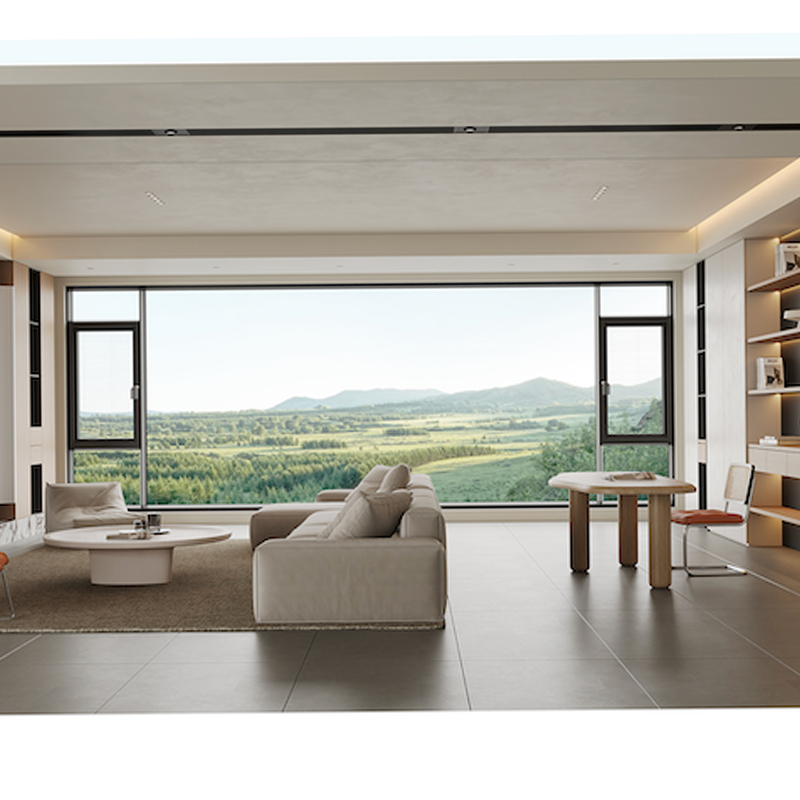
Why Fenestration Drives Energy Performance in Commercial Buildings
Quantifying Energy Loss: How Windows and Doors Contribute to 25–30% of HVAC Load
Windows and doors in commercial buildings actually eat up about 25 to 30 percent of all the energy used by heating, ventilation, and air conditioning systems, as reported by the U.S. Department of Energy last year. There are basically three ways this happens. First, heat moves through the window frames and glass itself. Second, sunlight coming through creates extra cooling needs during warmer months. And third, air leaks out around edges where seals aren't tight enough. Another problem is what's called thermal bridging when parts of the building structure essentially short circuit the insulation layer. This issue tends to be worse in older window and door systems. All these factors together cost building owners roughly 74 cents for every square foot each year in unnecessary energy expenses, according to research published in the Commercial Building Energy Study back in 2023.
Key Metrics Decoded: U-Factor, SHGC, and VT in Context of Commercial Building Codes
Energy codes anchor fenestration performance on three standardized metrics:
- U-Factor, measuring overall heat transfer (lower values indicate better insulation);
- SHGC (Solar Heat Gain Coefficient), representing the fraction of incident solar radiation admitted as heat;
- VT (Visible Transmittance), indicating how much natural light passes through.
The ASHRAE 90.1-2022 standard caps the U-Factor at 0.40 for commercial windows and doors located in colder northern climates. Down south things look different though. Building owners need to keep SHGC below 0.25 to manage those cooling costs since AC can eat up around 60% of all energy spent on some buildings. Getting the visible transmittance right helps bring in natural light while still keeping glare under control and making sure people inside stay comfortable. This cuts down on how much electricity goes toward artificial lighting. All these numbers matter when it comes to meeting IECC standards and qualifying for that coveted ENERGY STAR label too.
Selecting Climate-Appropriate Commercial Building Windows and Doors
Cold Climates: Prioritizing Low U-Factor with Triple Glazing and Advanced Gas Fills
Commercial buildings located in colder areas where heating degree days go over 5,400 need windows and doors that can maintain U-factors under 0.30 if they want to keep heat from escaping through conduction. The best way to reach those standards is with triple glazed units packed with either argon or krypton gas inside. These setups work because they have several layers of insulation between the glass panes which cuts down on thermal bridging by around 40 to 60 percent when compared to regular double pane glass. Another important component is passive low E coatings applied to the glass surfaces. These coatings let useful sunlight come in during winter months but stop the escape of longer wavelength infrared radiation at night. For companies looking to meet building codes, ENERGY STAR Most Efficient labeled products combine all these elements along with frames designed to break thermal connections. This combination helps manufacturers comply with strict International Energy Conservation Code (IECC) specifications across climate zones 5 through 8.
Hot/Humid Climates: Leveraging Low SHGC and Spectrally Selective Low-E Coatings
In buildings where cooling takes up most of the energy budget, Solar Heat Gain Coefficient (SHGC) is really what matters most. The latest ASHRAE standard from 2022 suggests keeping SHGC below 0.25 in warmer regions like climates 1 through 3. Spectrally selective low-emissivity coatings work wonders here. They block around 70% of that annoying infrared heat from coming inside but still let about half to three quarters of visible light through. This means we get all the benefits of natural daylight without having to crank up the air conditioning. Pair these coated windows with thermally broken aluminum frames and something interesting happens too. Condensation becomes less of a problem because surfaces stay warm enough above the dew point temperature. People staying comfortable inside and building envelopes last longer since there's less moisture damage happening behind the scenes.
Energy-Efficient Doors: Construction, Sealing, and Integration with Commercial Fenestration Systems
Thermal Breaks, Core Insulation, and R-Value Benchmarks for Commercial Entry and Sliding Doors
Commercial doors that perform well depend on several key design approaches working together. First there are thermal breaks these are basically non conductive polymer barriers placed inside metal frames to stop heat from moving through them. Then we have high density core insulation materials like polyurethane or polystyrene that boost how much heat they resist. And finally there's those precision engineered perimeter compression seals around the thresholds and jambs which do a great job stopping air from leaking in. The ASHRAE standard 90.1 2022 sets minimum R values at R 5 for sliding doors and between R 5 and R 15 for entry systems. Air leaks actually account for about 15 to 20 percent of all HVAC energy losses in commercial buildings according to NFRC data from 2023. That makes good sealing essential rather than just something nice to have. Strong seals form the foundation needed to make sure doors work properly alongside other building components when it comes to things like maintaining consistent U factors and ensuring overall thermal performance across the entire building envelope.
Material Innovation for High-Performance Commercial Building Windows and Doors
Fiberglass, Vinyl, and Thermally Broken Aluminum: Comparative Lifecycle Efficiency and Condensation Control
When it comes to energy efficient commercial windows, fiberglass, vinyl, and thermally broken aluminum stand out as top choices, each offering different combinations of thermal efficiency, how long they last, and overall value over time. Fiberglass is pretty remarkable because it stays dimensionally stable even when temperatures change, which means the seals stay tight and air doesn't leak through much. These systems can go decades without needing maintenance, sometimes lasting well past 50 years. Vinyl is another solid option that provides good insulation while costing less initially. The multi chamber designs in vinyl frames help achieve those impressive U factors below 0.30. For buildings needing both strength and thermal protection, thermally broken aluminum makes sense. The special polyamide barriers between the metal sections cut down on heat transfer by around 40 to 60 percent compared to regular aluminum products. This innovation allows these window systems to reach R values as high as R7, making them competitive with other materials despite their structural advantages.
How well windows resist condensation really depends on how warm their inner surfaces stay. Fiberglass frames tend to stay pretty close to what's going on inside the room, with vinyl coming in second place. The thermally broken aluminum frames actually get warmer inside than regular aluminum ones do something like 5 to maybe even 8 degrees Fahrenheit warmer. This makes them much less likely to develop those pesky condensation problems we all hate. Add in some low-E glass coatings along with gases like argon between the panes, and these materials become even better at keeping moisture away from window surfaces. Plus they still let plenty of natural light through, which is great for lighting up spaces without turning on artificial lights all day long.
FAQ
- What is fenestration? Fenestration refers to the arrangement and design of windows, doors, and other openings in a building.
- Why is fenestration important in commercial buildings? Fenestration significantly impacts the energy performance of a building, affecting heating and cooling loads and the building’s overall energy efficiency.
- What are U-Factor, SHGC, and VT? U-Factor measures heat transfer rate, SHGC indicates solar heat admission, and VT denotes visible light transmittance through fenestration elements.
- How do different climate zones affect fenestration requirements? Cold climates prioritize low U-Factor, while hot climates focus on managing SHGC with suitable glazing and coatings.
- What material options are available for energy-efficient commercial windows? Fiberglass, vinyl, and thermally broken aluminum are popular for their thermal efficiency, durability, and ability to control condensation.
Table of Contents
- Why Fenestration Drives Energy Performance in Commercial Buildings
- Selecting Climate-Appropriate Commercial Building Windows and Doors
- Energy-Efficient Doors: Construction, Sealing, and Integration with Commercial Fenestration Systems
- Material Innovation for High-Performance Commercial Building Windows and Doors