
 EN
EN
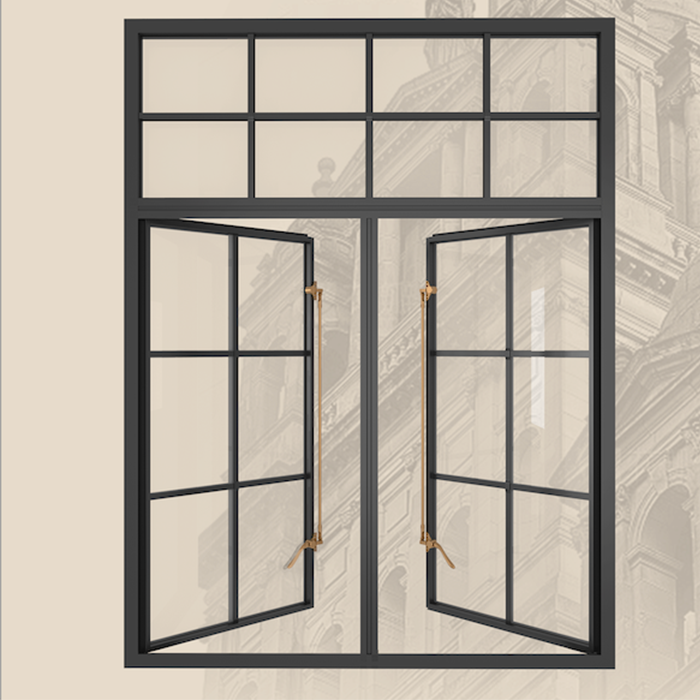
What CSA Certification Means for Commercial Windows
CSA (Canadian Standards Association) certification provides independent, third-party verification that commercial windows meet rigorous performance, safety, and energy efficiency standards across North America. This validation is essential for architects, contractors, and building owners who require assurance of product reliability, regulatory compliance, and long-term value.
Decoding the CSA A440 Series: R, C, and AW Performance Grades
The CSA A440 standard defines objective performance thresholds through three distinct grades:
- R (Residential) Grade: Minimum requirements suitable for light commercial applications
- C (Commercial) Grade: Enhanced structural performance for mid-rise buildings
- AW (Architectural Window) Grade: Highest-rated performance for high-rises and extreme climates
Each grade quantifies resistance to air leakage (e.g., ≥ 0.3 L/s·m² at 75 Pa for AW), water penetration (≥ 600 Pa), and wind load (≥ 4.8 kPa), enabling precise specification aligned with project demands and local building codes—including the National Building Code of Canada (NBC) 2020.
How Third-Party Certification by CSA Group Ensures Real-World Reliability
CSA certification isn't just about passing tests in a lab once. The process actually involves surprise visits to factories, regular checks on what comes off the production line, and real world testing for things like how frames hold up when exposed to extreme temperature changes over time. They also look at seals to see if they last through harsh weather conditions and test hardware components to make sure they work properly after being used thousands of times. All these steps help bridge the difference between how prototypes perform and what happens when products are actually installed in the field. According to industry data, this kind of rigorous approach cuts down warranty issues by around 34%. And because regulations keep changing, companies need to get their products recertified every year to stay up to date with the latest standards.
Performance Advantages of CSA Certified Commercial Windows
Energy Efficiency Gains: U-factor, SHGC, and Air Leakage Verified to CSA A440.1
The CSA A440.1 standard checks three main things related to how well windows perform with energy: U-factor which measures heat movement, SHGC or Solar Heat Gain Coefficient, and how much air leaks through. Windows that meet this certification typically have around 40% better U-factors compared to regular ones, which means heating and cooling systems don't have to work as hard. The SHGC ratings have been tested by independent labs to let in good sunlight during winter months but keep out excessive heat when it's hot outside. For air leakage, certified products stay under 0.3 liters per second per square meter at 75 pascals pressure, so there are no annoying drafts inside buildings. All these features combined can cut down yearly energy bills between 15% to 30%, plus they help buildings comply with current national energy regulations.
Climate Resilience: Validated Resistance to Wind, Snow Load, and Thermal Cycling
Getting CSA certified means a structure can stand up to all sorts of environmental challenges over many years. Thermal cycling tests run from -40 degrees Celsius to +85 degrees check how stable the frame remains and if seals hold up over time. For buildings near coasts or tall structures, wind resistance matters a lot. Tests show they can handle winds going beyond 200 kilometers per hour. When it comes to snow loads, products go through rigorous testing to ensure they work properly even when dealing with pressure equivalent to three meters of accumulated snow. These thorough validations help prevent typical issues such as glass bending, sudden increases in air leakage after stress, and frames warping. Facility managers report that these improvements cut down on maintenance expenses related to weather conditions by anywhere between 25% and 60% throughout a building's lifetime.
Compliance, Liability, and Risk Management in Commercial Projects
Safety Risks and Code Violations with Non-Certified Commercial Windows
Windows that aren't properly certified create real problems for safety and meeting building codes. When exposed to wind pressures above 50 pounds per square foot or subjected to constant temperature changes, these windows can actually break down and weaken the whole building structure. This kind of failure goes against the CSA A440 standards that are required throughout Canada and also applies in numerous US states. The air leakage rates in uncertified windows often hit around 0.3 cubic feet per minute per square foot, which is three times what's allowed for certified products. This means buildings won't be able to contain fires properly and people might get stuck during emergencies. Building inspectors will flag these issues, contractors face stop work notices, owners end up paying for expensive fixes, and there are always those nasty fines from regulators waiting in the wings.
Contractor, Architect, and Owner Liability Exposure Without CSA Certification
When someone specifies or installs windows that aren't certified, everyone involved in the project runs into bigger legal and financial problems. Contractors might lose their warranties if the windows don't pass performance checks after installation. For architects, there's real danger of getting sued for professional negligence when they go against established industry norms. Homeowners end up responsible if people get hurt because the windows fail somehow. Judges frequently reference CSA A440 standard during construction disputes as proof that proper procedures were followed. Most insurance companies refuse to pay out on claims related to building code violations caused by using unapproved materials. Getting CSA certification actually moves responsibility away from the project team toward the manufacturer itself. Research in construction risk management shows this can cut down on total liability by around two thirds, making it a smart move for anyone looking to protect themselves legally and financially.
Market Access and Competitive Differentiation Through CSA Certification
CSA certification serves as a de facto market access requirement across regulated North American construction sectors. Projects in jurisdictions with strict enforcement—including federal, provincial, and municipal public works—routinely mandate CSA validation. Without it, manufacturers face installation barriers, delayed approvals, and disqualification from bid processes.
The CSA mark goes beyond just meeting regulations by helping businesses stand out from competitors. When third parties verify things like how strong a product is structurally, its energy efficiency, and how long it lasts, these factors become really important when people decide what to specify in their projects. About 70% of commercial developers actually look at certification marks when evaluating bids according to recent surveys. Architects and contractors see CSA certification as a way to choose materials that reduce risks in their projects. Building owners appreciate it because it helps them focus on getting value over time instead of just going for whatever has the lowest initial price tag. This kind of trusted endorsement lets companies charge more for their products while still beating out competition in markets where everyone seems to be offering similar solutions.
FAQs
What is CSA certification?
CSA certification is an independent third-party verification provided by the Canadian Standards Association, ensuring that products like commercial windows meet rigorous performance, safety, and energy efficiency standards.
How does CSA certification affect commercial window performance?
CSA certification improves commercial window performance by evaluating energy efficiency, climate resilience, and structural integrity, leading to superior resistance against environmental factors and reduced maintenance costs.
Is CSA certification mandatory?
While not mandatory everywhere, CSA certification is often required in jurisdictions with strict building codes, including various federal, provincial, and municipal public works.
What are the consequences of not using CSA-certified windows?
Using non CSA-certified windows can lead to safety risks, code violations, and can pose significant liability issues for contractors, architects, and building owners.
What are performance grades in the CSA A440 series?
The CSA A440 series includes R, C, and AW grades indicating the performance level of windows, ranging from residential to architectural standards designed for different building types and climates.