
 EN
EN
Why a Unified Custom Window and Door System Elevates Building Performance
From Disconnected Openings to Integrated Building Envelope Solutions
Most conventional methods see windows and doors as separate pieces rather than parts of a whole, which often leads to problems with heat escaping and structural weaknesses. When builders adopt integrated custom systems for windows and doors, they become part of the overall building shell instead of just holes in walls. These gaps where air sneaks through at connection points are actually one of the biggest culprits behind wasted energy, responsible for around 30% of what heating and cooling systems have to work on according to Building Science Corp from last year. Good manufacturers focus on matching shapes and properly sealing connections right when making the products, so there's no break in protection against weather or moisture control. What this means practically is buildings perform consistently well enough to hit those tough standards like Passive House requirements or LEED certifications without needing expensive fixes after installation.
How System-Wide Thermal, Structural, and Aesthetic Coordination Reduces Risk and Rework
When engineers coordinate all the window and door components properly, they stop problems from spreading throughout the building envelope. Frames that are thermally broken keep surfaces inside at stable temperatures, which cuts down on condensation issues even when humidity levels run high outside. The math behind structural loads considers both wind pressure and earthquake forces acting on neighboring units together, so frames don't warp over time causing stuck doors or shattered glass panels. Getting the looks right matters too – matching sightlines and keeping finishes uniform stops costly last minute changes once installation starts rolling. According to recent industry data from Whole Building Design Guide in 2024, buildings with these integrated approaches see about 40% fewer complaints about air or water infiltration after construction wraps up. This shows why taking a comprehensive approach makes sense for smoother operations and happier occupants in the long run.
Key Performance Metrics for a High-Performance Custom Window and Door System
U-Value, SHGC, and Air Infiltration: Interpreting Standards for Climate-Specific Selection
When putting together a custom window and door system, getting the right components really comes down to understanding three key numbers: U-value, Solar Heat Gain Coefficient or SHGC for short, and how much air leaks through the gaps. Let's start with U-value first. This tells us how well something insulates against temperature changes. Lower U-values, say anything under 0.30, are great at keeping warmth inside during winter months but also help cut down on air conditioning costs when it gets hot outside. Then there's SHGC, which basically measures how much sunlight actually makes it through the glass. Smart systems find a sweet spot between letting in enough heat where needed (so higher SHGC works better in colder areas) versus blocking excessive sun exposure (which means going for lower SHGC ratings in places where summers dominate). As for air leakage, standards set by ASTM E283 require performance below 0.3 cubic feet per minute per square foot of opening area to stop those annoying drafts from sneaking in. These factors all tie into green building certifications such as ENERGY STAR. The specifics change depending on location though. Up north in the US, most installations look for U-values around 0.27 maximum, while down south folks tend to focus more on keeping SHGC ratings under 0.25. Building Science Corporation did some research showing that skipping over these regional differences can lead to anywhere from 15% to 30% extra energy usage.
Material and Frame Technology in Modern Custom Window and Door Systems
Comparing Aluminum-Clad Wood, Thermally Broken Aluminum, and Fiberglass for Long-Term Durability
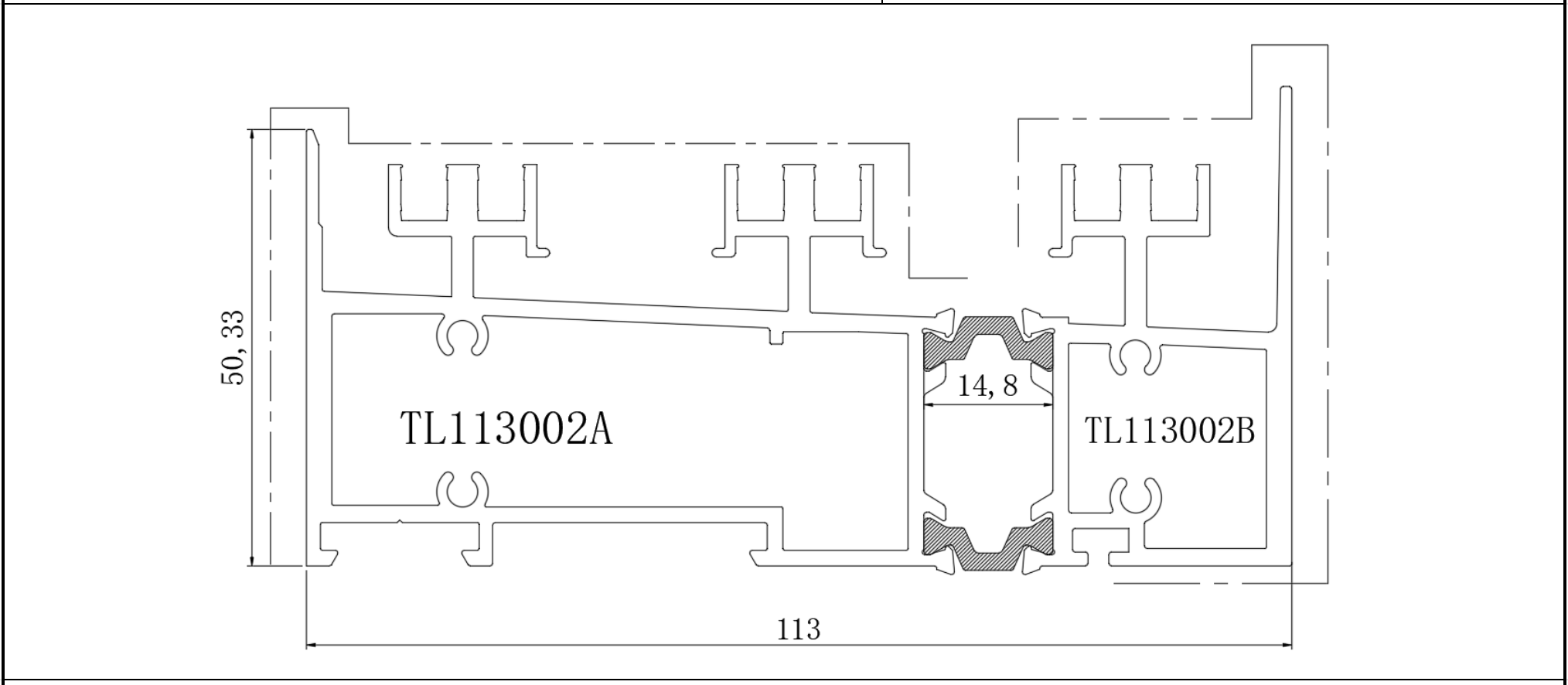
Choosing the right materials really affects how long custom windows and doors last and how well they perform. Aluminum clad wood combines the nice look of wood with good protection against outside elements, but does need some regular care to keep the wood from breaking down over time. The special kind of aluminum called thermally broken has this plastic barrier between the inside and outside parts, which cuts down on heat moving through by around 60% according to Building Envelope Council research from 2023. What this means is no annoying condensation builds up and the structure stays strong even when temperatures swing wildly. Fiberglass frames are pretty amazing too since they don't expand much at all when temps change, only about 0.01% for every 10 degrees Celsius difference. They resist bending and rusting so well that these frames work great near the ocean where salt air would destroy other materials. If someone wants something that lasts forever with little fuss, fiberglass is probably best. But if saving energy is the main goal, then those thermally broken aluminum frames strike just the right balance most of the time.
Innovations Enabling Slimmer Frames, Larger Glass Areas, and Seamless Transitions
Engineers have made some pretty impressive progress lately, letting manufacturers create windows and doors with much thinner sightlines without compromising strength. Materials like reinforced fiberglass and strong aluminum alloys now hold up glass panels over 10 feet wide, which means bigger views and more natural light coming in. What's really changing things is how these new materials work with clever design features. We're seeing hidden locks built right into slim frames, thermal breaks that are just 2 inches thick, and door thresholds so flat they won't trip anyone up. These improvements do more than look good too. Frames designed for better insulation can keep spaces comfortable while cutting heating and cooling costs by around 20 to 30 percent according to Passive House Institute research from last year. As material scientists team up with manufacturers who know their stuff about production, we keep finding new ways to build custom windows and doors that perform exceptionally well.
Design Flexibility and Functional Customization in Window and Door Systems
Bespoke Options: Pivot Doors, Structural Glazing, and Integrated Hardware Solutions
Today's top custom window and door systems focus on flexible designs using things like pivot doors, structural glass installations, and smart hardware packages. Pivot doors stand out architecturally because they have those hidden hinges that let them open much wider than standard doors, creating smooth transitions between rooms. Structural glazing basically gets rid of those thick metal frames so buildings can flood with natural light and offer great outside views. When it comes to hardware, modern systems tie together locks, handles, and even automated controls so everything works smoothly no matter which part of the building someone is operating. According to the Building Envelope Council data from last year, this kind of customization cuts down on installation mistakes by almost 40%. Architects love these systems because they can create unique features like curved glass walls, massive entryways, or completely level thresholds without sacrificing energy efficiency or lasting quality. All specifications match what the building actually needs functionally speaking, whether it's standing up against hurricanes or blocking noise transmission, making sure both looks and performance stay consistent throughout the entire structure.
FAQ
What is the advantage of using a unified custom window and door system?
A unified custom window and door system helps to ensure consistency in thermal performance, structural integrity, and aesthetic appeal across the entire building envelope. It prevents energy loss, reduces risk and rework, and typically leads to fewer post-construction complaints.
How do U-values and SHGC impact the performance of a window and door system?
U-values measure the insulation capabilities of materials, with lower values indicating better thermal performance. SHGC reflects how much solar heat passes through, affecting temperature regulation. Both metrics are crucial for energy efficiency and should be tailored to specific climatic conditions.
What materials are commonly used in modern custom window and door systems?
Common materials include aluminum-clad wood, thermally broken aluminum, and fiberglass. Each offers distinct benefits such as durability, energy efficiency, and resistance to environmental stressors like salt air.
What innovations have been made in custom window and door systems?
Innovations include slimmer frames, larger glass areas, and seamless transitions, thanks to advanced materials and design features. These improvements enhance natural light access and overall aesthetic while reducing energy costs.
Table of Contents
- Why a Unified Custom Window and Door System Elevates Building Performance
- Key Performance Metrics for a High-Performance Custom Window and Door System
- Material and Frame Technology in Modern Custom Window and Door Systems
- Design Flexibility and Functional Customization in Window and Door Systems
- FAQ