
 EN
EN
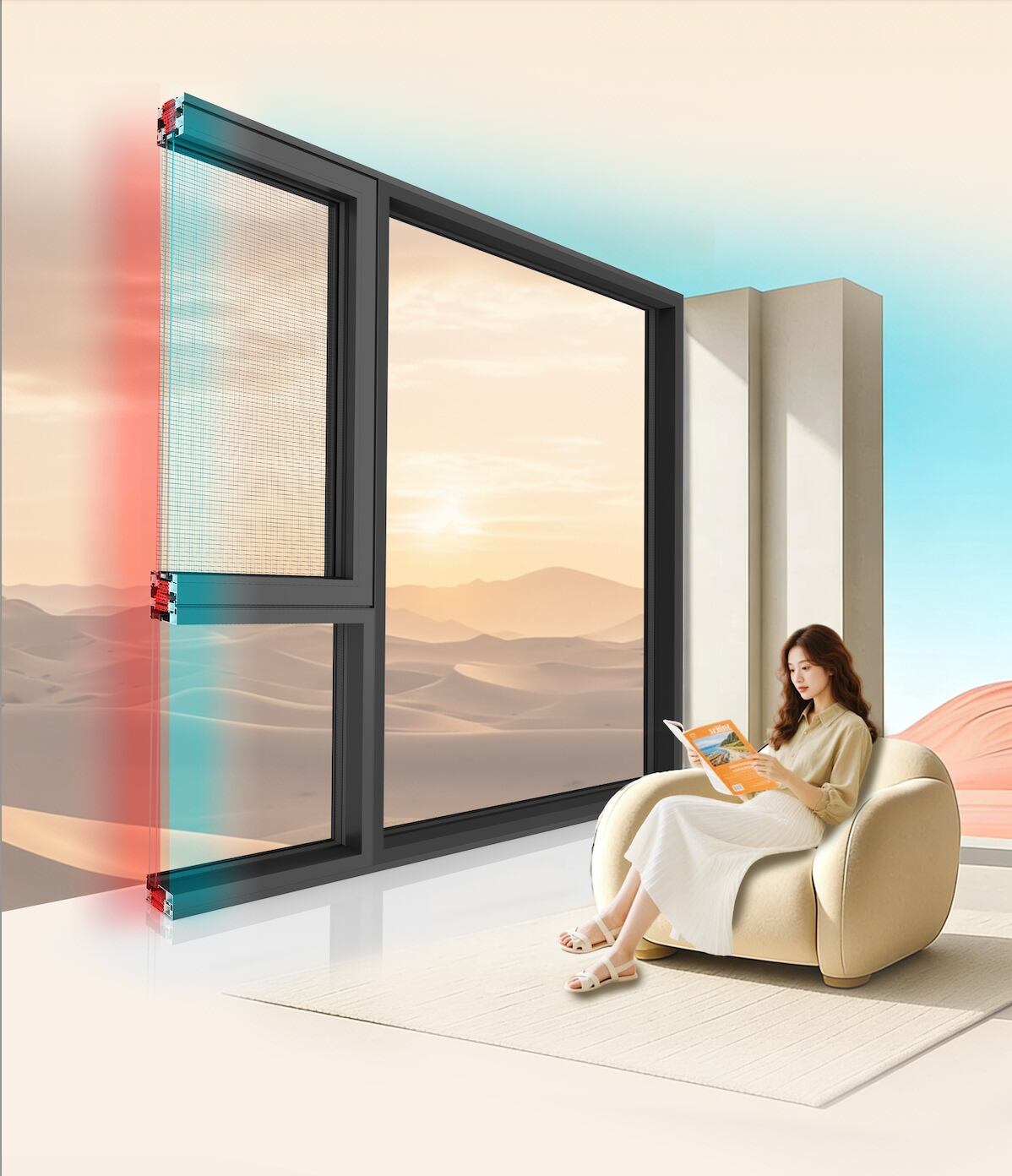
Why Unique Window and Door Solutions Exist—And When They're Truly Necessary
Functional, aesthetic, and regulatory gaps that standard offerings can't fill
Most standard windows and doors just don't cut it when it comes to meeting those tricky project demands. Take functionality first off. When buildings have weird shaped openings or need special features like hurricane protection along coastlines or soundproofing near busy airports, regular products simply won't work. They need custom engineering instead. Then there's aesthetics. Historic building restorations or really unique architectural designs demand exact material matches and custom profiles so nothing looks out of place. And let's not forget about regulations either. Standard products often fall short against updated energy codes. For instance, getting Passive House certification means achieving thermal bridging values under 0.8 W per meter Kelvin something most mass-produced frames can't handle. According to research from the Ponemon Institute last year, nearly seven out of ten commercial developers ended up spending over half a million dollars fixing standard products after the fact because they didn't comply with regulations initially.
The alignment principle: Uniqueness creates value only when tied to measurable project outcomes
Customization justifies investment only when solving quantifiable problems. Consider these alignment scenarios:
- Energy compliance acceleration: Thermally broken steel windows reduced heating loads by 37% in a Colorado net-zero school, cutting 12 months from the LEED (Leadership in Energy and Environmental Design) certification timeline.
-
Operational ROI: Hospital-grade operable walls with integrated antimicrobial seals decreased infection remediation costs by $120k annually per facility.
Uniqueness without outcome alignment risks budget overruns. Prioritize solutions where custom features resolve documented performance gaps, regulatory hurdles, or lifecycle cost barriers.
The Hidden Costs of Unique Window and Door Solutions: Lead Time, Budget, and Scalability
Custom window and door solutions address critical project needs—but introduce quantifiable trade-offs in timelines, budgets, and operational flexibility. Industry data reveals that projects specifying non-standard components face delays exceeding 4 weeks in 68% of cases due to specialized fabrication requirements.
Quantifying the customization penalty: Data on delays, pricing premiums, and procurement friction
Three primary cost drivers emerge when deviating from standard profiles:
| Cost Factor | Standard Solution | Custom Solution | Impact |
|---|---|---|---|
| Lead Time | 2–4 weeks | 6–12 weeks | 200% schedule extension |
| Unit Cost Premium | Baseline | 20–40% | $15k–$50k per project escalation |
| Procurement Complexity | Low | High | 3× vendor coordination effort |
Procurement friction compounds these issues, with 73% of contractors reporting supply chain verification hurdles for custom components.
Smart mitigation: Modular frames, configurable glazing, and pre-vetted details for faster deployment
Adopting three strategic approaches counters customization penalties:
- Modular frame systems with pre-engineered connection details reduce fabrication lead times by 30%;
- Configurable glazing options, certified to ENERGY STAR® standards, cut approval cycles;
- Pre-vetted interface details for structural and weatherproofing requirements eliminate 80% of shop drawing revisions.
These methods maintain design flexibility while compressing deployment timelines to within 15% of standard product schedules—demonstrating that strategic standardization within customization parameters preserves project viability.
Strategic ROI Scenarios: Where Unique Window and Door Solutions Justify Investment
High-performance envelopes: Energy compliance acceleration and thermal bridging resolution
High performance building envelopes can get energy compliance done about 30 percent quicker when they eliminate those pesky thermal bridges that are basically the weak spots in most buildings. Standard windows actually lose around 40% of their heat right there at those bridges. Smart builders tackle this problem using frames that break the thermal connection and installing triple glazed windows tailored for specific climates. This setup cuts down on HVAC system workload by somewhere between 15 to 25 percent, which means the initial investment pays off much sooner than expected. Take LEED Gold certified projects for instance. They often use special glass treatments to meet strict envelope standards while also preventing condensation issues where different materials meet in the structure. Buildings adopting these strategies typically save about $1.50 per square foot each year in energy costs. What was once seen as just another expense becomes a real money maker, especially important for companies aiming for net zero carbon footprints.
Brand-differentiating architecture: Hospitality, healthcare, and institutional use cases
The way buildings are designed with windows really affects how people perceive brands and how well operations run, especially in places like hotels and hospitals. When hotels install those big panoramic glass walls, guests tend to be happier overall. Some studies show satisfaction goes up around 22% because guests feel connected to what's happening outside. For hospitals, getting the right amount of natural light into patient rooms makes a difference too. Patients recover about 18% faster when they can actually see sunlight coming through their windows. Museums and university campuses also get benefits from special entrance systems that block out outside noise. These systems can cut down on unwanted sounds by about 50 decibels, which matters a lot in spaces where people need to focus. The extra money spent on these customized window solutions pays off in real ways. Luxury hotels can charge 12% more per night when they look good from the inside out. Schools and research centers find that tenants stay put 30% longer when the building design matches the institution's image and values.
Long-Term Implications: Maintenance, Compliance, and Asset Value Beyond Installation
When it comes to custom windows and doors, regular maintenance isn't just recommended but necessary throughout their life cycle. These special installations differ from off-the-shelf options because they usually need specific replacement parts from the original manufacturer plus skilled technicians for fixes. This tends to push maintenance expenses up anywhere between 15% to 25%. Smart planning makes all the difference here. Making sure service access points are easy to reach and choosing materials that stand up to wear and tear cuts down on headaches later on. Building regulations change roughly every three to five years too, so designers need to think ahead about what might come next in terms of energy efficiency rules, safety mandates, and accessibility laws. Otherwise, owners face expensive retrofitting down the road. In big cities, failing inspections can cost upwards of fifty thousand dollars per problem found, not to mention hurting property values. For high-end buildings, well-designed custom fenestration actually adds value. Studies show such properties fetch around 7% to 12% more in hotel and office spaces. The trick lies in mixing unique looks with standard parts where feasible. Think interchangeable seals or modular frames that work across different units. This approach keeps things functional without sacrificing that special character that makes the investment worthwhile over time.
FAQ Section
Why do standard windows and doors sometimes fail to meet project requirements?
Standard windows and doors may not meet specific project demands due to unique shape requirements, specialized features like soundproofing or hurricane protection, aesthetic needs for historic restorations, and updated energy regulations that standard products cannot fulfill.
How can custom solutions accelerate energy compliance?
Custom solutions such as thermally broken steel windows can reduce heating loads significantly, thus aiding in achieving energy compliance faster and cutting down certification timelines like LEED.
What are the primary cost drivers for custom window and door solutions?
Three primary cost drivers include extended lead times, increased unit cost premiums, and complex procurement processes, which often require more vendor coordination.
Can modular systems help mitigate customization penalties?
Yes, modular systems with pre-engineered details can reduce fabrication lead times and streamline deployment, thereby mitigating some of the penalties associated with customization.
Table of Contents
- Why Unique Window and Door Solutions Exist—And When They're Truly Necessary
- The Hidden Costs of Unique Window and Door Solutions: Lead Time, Budget, and Scalability
- Strategic ROI Scenarios: Where Unique Window and Door Solutions Justify Investment
- Long-Term Implications: Maintenance, Compliance, and Asset Value Beyond Installation